
The draft
On mothers, roles, and the permission to be unfinished

There was a moment last year, in a car, that I have not stopped thinking about. I was leaving home, on the way to the airport, already carrying that particular grief that comes when you can feel the sadness that your absence will cause. My mum turned to me and began talking about some things that were also making her sad. About everything she was holding. About the pain of separating her life between home and where she started our family. I sat there thinking, I cannot hold this right now. Not today. Then feeling guilty for thinking it. Then feeling ten times worse than I already was, which I had not thought possible.
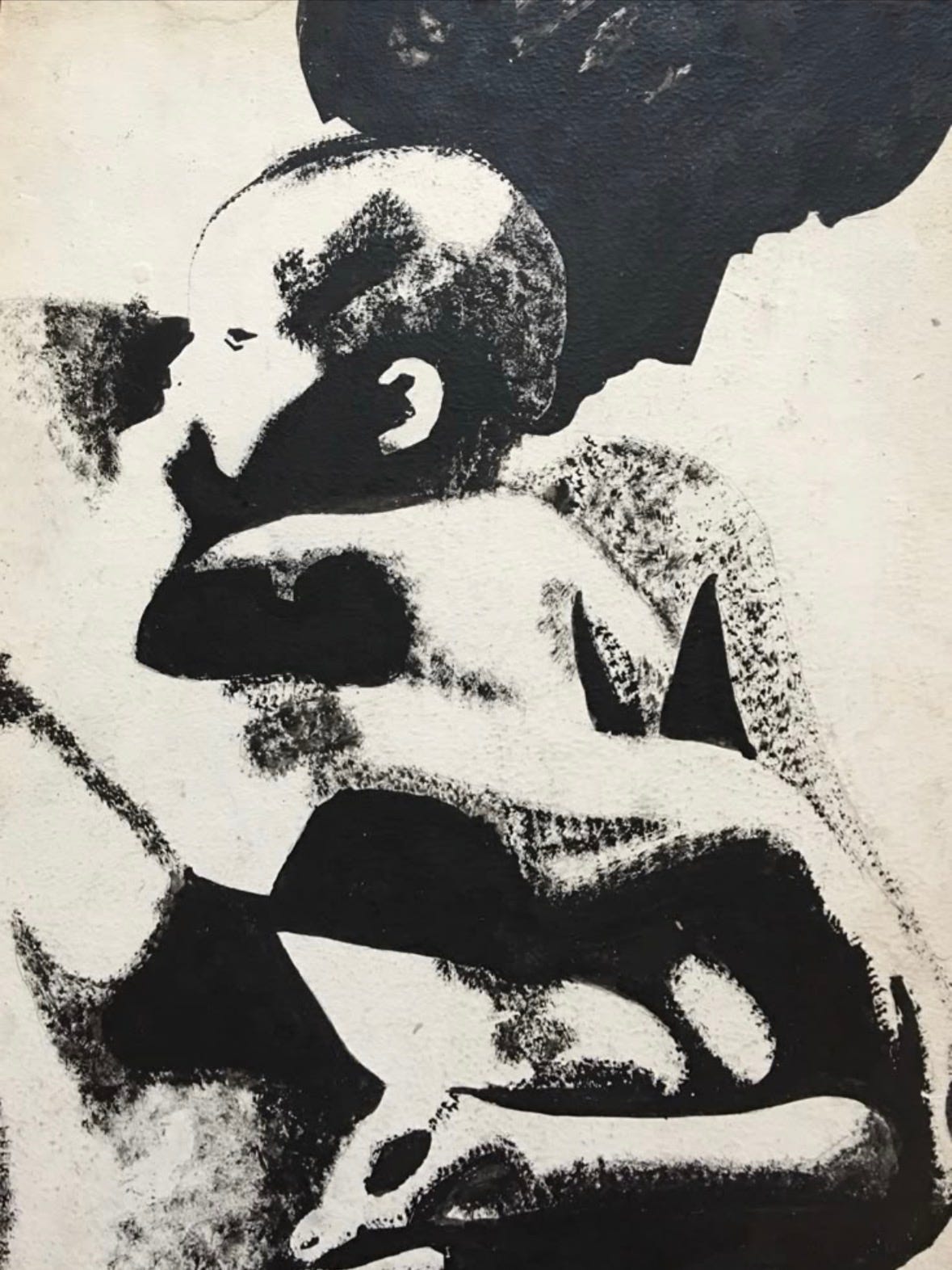
Something shifted in me in that car, even if I could not name it then.
What I came to understand, slowly, in the months that followed, was that my mum was not trying to wound me. She was just a person, with her own pain that she had been carrying for too long and needed to put down. Her own interior life spilling out because it had nowhere else to go and no better time than now. And the reason it hit me so hard was not what she said. It was that I had never really given her permission to be that. To be unfinished. To be still figuring it out. In my mind, she occupied a role, not a life.
If you grew up around a mother like mine, of Latin, south asian, middle eastern descent, you already know the texture of it. The self-sacrifice worn openly. The guilt that arrives before the request. The love that is vast and genuine and, in its vastness, occasionally suffocating. There is a particular kind of motherhood that becomes almost mythological in the family structure, the person who holds everything together, and in holding everything together quietly disappears as someone anyone thinks to ask about.
We put them in that box young. And they often climb in willingly, because the role gives them purpose and a place in the story. But a role is a costume that eventually fuses to the skin. At some point the person inside it forgets it was ever a choice.
We tend to think of identity as something we build outward, self constructed from choices and experiences moving forward in time. What we ignore is how much of it is built backward. The mother who became the martyr did not arrive there alone. She was shaped by her own mother, who was shaped by hers, each generation handing down a set of emotional instructions nobody ever wrote down and nobody ever questioned.
What changed for me was simple and also not simple at all. I just started looking at my mum as a human being who had things wrong with her. Who had known loss and disappointment and probably a version of her own life that did not go the way she planned. Who had been sitting on something heavy and needed her son to know about it before he walked out the door, because that is what you do when you love someone and the moment feels like it might be the last one that is honest enough to say it in for a while.
And when I stopped waiting for her to be the archetype, something in the relationship loosened. The guilt landed differently because I could see where it came from. The weight she carried became something I could sit beside rather than absorb. She had not changed. My perspective had.
This extends beyond the two of us. The parent and child relationship is the only one we enter without any say, and we spend most of it moving through a shifting dynamic so gradual we barely notice it turn. There may come a point where the child becomes the more emotionally articulate one in the room, where you start to see that your parents have spent parts of their lives operating from wounds they never addressed, patterns inherited from their own upbringing, stories told to themselves in moments of hurt that are still quietly running their behaviour decades later. When that recognition arrives you face a choice. Keep grieving the version of them you needed and never quite got, or extend to them the same understanding you would offer a friend who was also trying to figure all of this out for the first time.
That is not absolution. Some parents do real damage, and accountability for that is its own necessary conversation. But for most of us the work is quieter than that. It is the decision to take someone out of the box you put them in and look at them properly, maybe for the first time.
My mum said what she needed to say in that car. Something she had been carrying and needed to put down. I just happened to be carrying my own weight at the same time, and the goodbye became ten times heavier than it already was. Two people in a small space, both breaking a little.
When I finally let myself see that, something in me that had been quietly clenched for a long time let go. Not forgiveness, because there was nothing to forgive. Just understanding, arriving a little late, the way it usually does.